



2018 School Spending Survey Report
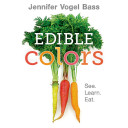
Edible Colors
32p. photos. Roaring Brook. Nov. 2014. Tr $12.99. ISBN 9781626720022.
COPY ISBN
"Plums are PURPLE. / They are also RED. / Look what else can be RED!" Crisp photographs of fruits and vegetables, grouped by color and shown against white backgrounds, introduce some common (e.g., cherries, blueberries) but more often uncommon (e.g., Sicilian violet broccoli, Ruby Queen corn) produce variants. The clean design, simple text, and unexpected examples combine for a kid-pleasing concept book.
ALREADY A SUBSCRIBER? LOG IN
We are currently offering this content for free. Sign up now to activate your personal profile, where you can save articles for future viewing
ALREADY A SUBSCRIBER? LOG IN
Thank you for visiting.
We’ve noticed you are using a private browser. To continue, please log in or create an account.
Be the first reader to comment.
Comment Policy:
Comment should not be empty !!!