



2018 School Spending Survey Report
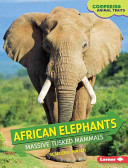
African Elephants: Massive Tusked Mammals
9781467755764.
ea vol: 32p. (Comparing Animal Traits). bibliog. charts. ebook available. further reading. glossary. index. photos. websites. Lerner. 2015. lib. ed. $26.65.
COPY ISBN
VERDICT The unusual comparison of mammal traits makes this a series worth considering.
Each presentation covers appearance, habitat, skill, and traits for
its subject while also comparing and contrasting the focal animal
with other mammals by text, photos, and charts. Some comparisons
seem natural (similar-looking African elephants and white rhinos);
some surprisingly revealing (both sperm whales and vampire bats use
echolocation); some random, without relevant comparative features
(grizzly bears and titi monkeys). Reading list, websites. Bib.,
glos, ind. Review covers the following Comparing Animal Traits
titles: African Elephants, Gray Wolves, Grizzly
Bears, Humpback Whales, Mountain Gorillas,
Platypuses, Siberian Tigers, and Vampire BAts.
ALREADY A SUBSCRIBER? LOG IN
We are currently offering this content for free. Sign up now to activate your personal profile, where you can save articles for future viewing
ALREADY A SUBSCRIBER? LOG IN
Thank you for visiting.
We’ve noticed you are using a private browser. To continue, please log in or create an account.
Be the first reader to comment.
Comment Policy:
Comment should not be empty !!!