



2018 School Spending Survey Report
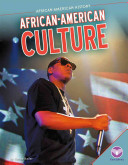
African-American Culture
9781624031434.
ea vol: 48p. (African-American History). chron. further reading. glossary. index. photos. websites. ABDO. 2014. lib. ed. $32.79. ebk. $32.79.
COPY ISBN
These titles provide basic introductions to these concurrent and related movements, though both suffer from choppily written texts ("Martin Luther King Jr. disagreed. He thought peaceful protests were best"). The timeline goes to 1975 in Power and to 1968 in Civil Rights, which limits readers' ability to contextualize current events. Photos and sidebars supplement the information. Reading list. Glos., ind. Review covers these African-American History titles: The Black Power Movement and The Civil Rights Movement.
ALREADY A SUBSCRIBER? LOG IN
We are currently offering this content for free. Sign up now to activate your personal profile, where you can save articles for future viewing
ALREADY A SUBSCRIBER? LOG IN
Thank you for visiting.
We’ve noticed you are using a private browser. To continue, please log in or create an account.

Be the first reader to comment.
Comment Policy:
Comment should not be empty !!!