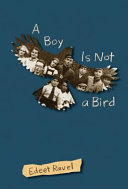

Gr 4-6–Natt’s parents had thought about leaving their small town of Zastavna years earlier and joining family members who emigrated to Canada. His mother wasn’t ready to start her life over, and by the time she realized it was going to change regardless, it was too late. In 1940, the Russian army took over their town. Natt’s school is now taught in Russian by new teachers who indoctrinate the students into post-revolution Russian culture, with a focus on becoming Stalin’s “Young Pioneers.” Natt’s father once told him that war is when you get a chance to be a hero, but it is hard to know what to do or who to trust when every day brings new and harder challenges. Natt’s life changes drastically when the Russian army takes over his family’s house, turning it into a bank, and relocates the family to a single-room apartment. When his father is arrested for a crime he did not commit, a guilty verdict results in the family’s relocation to Siberia. This title offers young readers insight into WWII and Soviet expansion, a topic not frequently explored in Western children’s literature. Ravel fictionalizes the life-changing journey of a former teacher as the main character reminisces on his experiences. Natt’s story begins having much in common with young readers, but bears less resemblance with each chapter as the horrors of World War II and Soviet oppression effectively end any sense of childhood. These traumatic experiences shape Natt’s character. The book’s transformative first-person narrative is effective in guiding the reader through a range of emotions.
VERDICT With its focus on the political evolution of the Soviet Union, this evocative tale offers insight into a history with which young readers may not be familiar. Additional research into Russia’s role in World War II and Siberian prison camps will help provide context for the novel’s core issues.
Be the first reader to comment.
Comment Policy:
Comment should not be empty !!!