Ho, Lauren
727 Articles
Last 30 days
Last 6 months
Last 12 months
Last 24 months
Specific Dates
From:
To:
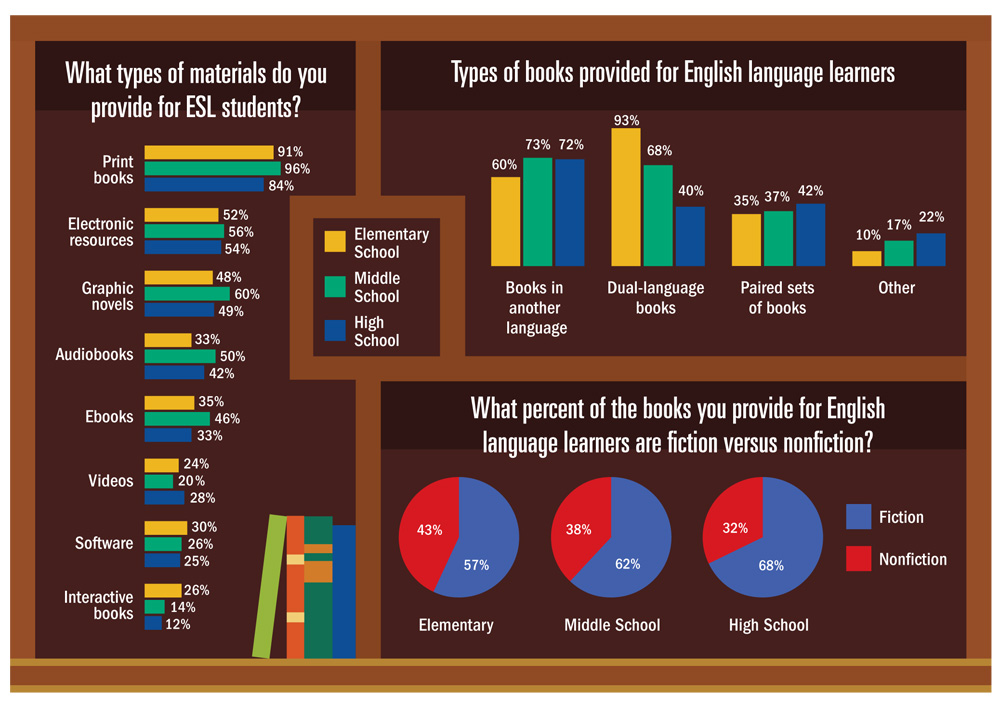
Where are the ELL Books? Educators need more content to serve growing demand
Technology may be transforming the way people learn a second language—but not in K–12 schools. Instead, librarians and teachers still prefer to use print books to support their English language learners (ELL), according to a survey by SLJ and Rourke Educational Media.

“Libraries Are Essential to a City” | SLJ Talks to Former Nashville Mayor Karl Dean
Karl Dean remembers his childhood public library as a place where “you could go to dream.” Recreating that experience resulted in Limitless Libraries, which brought public library resources into Nashville schools to enable every student to pursue their dreams.
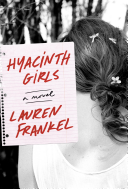
Hyacinth Girls
The race to the suspenseful end will keep readers reading long into the night; the conclusion will inspire much thought.

The House
Give to teens who enjoy spine-tingling haunted house and ghost stories like The Old Willis Place by Mary Downing Hahn (Clarion, 2004) and The Summoning by Kelley Armstrong (HarperCollins, 2008).

A Whole New World: A Twisted Tale
An additional purchase where there is an enthusiastic audience for retellings.

Amazon Ebook Deal With NYC Schools Not Dead Yet
Terms of the pending three-year, $30 million deal between the retail giant and the New York City Department of Education for e-materials are being revised after the National Federation of the Blind said that the technology would not adequately serve blind students.

Stop Calling Them "Young Adult" Books, Teens Say
Eight high school students sounded off about the "YA" label, print books versus ebooks, and why they read what they read during a panel discussion at the 2015 Nielsen Children’s Book Summit in Manhattan.
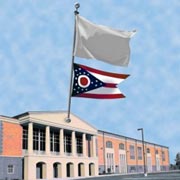
School Librarian Jobs At Risk In Ohio
Ohio’s school librarians are losing Jobs after a state education mandate, colloquially referred to as “5 of 8," was removed.
Chicago Public Library Wins Founder’s Award for Stemming Summer Slide
The 2015 Founder’s Award, bestowed by the National Summer Learning Association, recognized the Chicago Public Library for its high level of collaboration and coordination with other city groups on its summer learning program.
ALREADY A SUBSCRIBER? LOG IN
We are currently offering this content for free. Sign up now to activate your personal profile, where you can save articles for future viewing
ALREADY A SUBSCRIBER? LOG IN
Thank you for visiting.
We’ve noticed you are using a private browser. To continue, please log in or create an account.