Lisa G. Kropp
45 Articles
Last 30 days
Last 6 months
Last 12 months
Last 24 months
Specific Dates
From:
To:

Know Your Neighborhood: A Community Needs Assessment Primer
What does your neighborhood really need from you? Tips to help libraries get to know the communities that they serve, with a resource list of potential partners, literacy and early childhood organizations, and sources of demographic data.
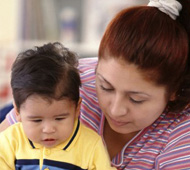
Preschool and the Income Gap: Libraries Must Step Up to Serve Children of Color | First Steps
The effects of the income gap are starkly evident in long-range studies of our youngest learners, making it critical for libraries to provide early learning services to those who need it the most: poor children.

Marvelous Math Books for PreK and Up
School Library Journal "First Steps" columnist Lisa G. Kropp suggests a wealth of whimsical math-focused titles, featuring everything from robots to toucans to poems by Edgar Allan Poe.

Bedtime Math Battles Summer Slide in Both Math and Reading | First Steps
Research shows math skills at kindergarten entry are a better predictor of school success than reading or attention span. With that in mind, Bedtime Math has partnered with libraries to battle summer slide.

Obama’s Focus on Early Education Is a Golden Opportunity for Libraries
When President Obama called for universal pre–K programs in his State of the Union address last week, he created a chance for librarians to be part of this picture. Now that there’s a federal initiative for pre–K, we need to prove our vital role in educating young children.

Goal: 1,000 Books Before Kindergarten | First Steps
Children need to enter school ready to learn to read, which means they must be introduced early to a host of varied vocabulary. Sharing 1,000 books with them before kindergarten—via programs for parents and caregivers that model best reading practices—is the ideal way to do this.
Chew That Book: Why Babies Belong in Libraries | First Steps
Essential is what our early literacy programs need to be—especially if we want children’s librarian jobs to be considered necessary community services. Make it your mission this year to increase early literacy services at your site by offering at least one nursery-rhyme-based program a month for ages birth to two years old.
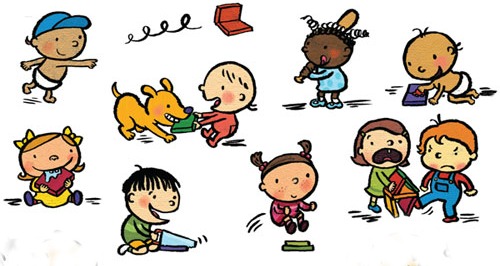
Must-have Board Books for Early Childhood Collections
A selection of tried-and-true titles that babies and toddlers adore.
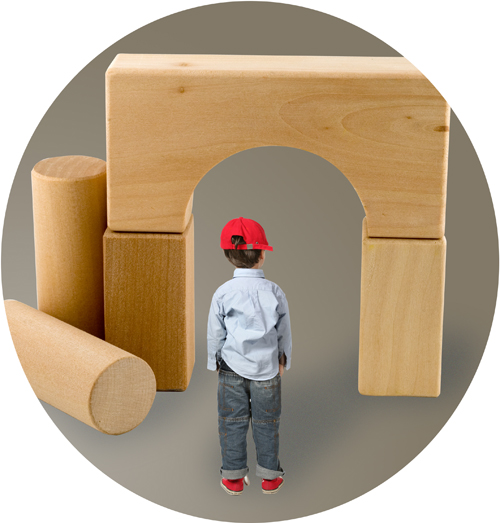
STEAM at the Library Supports Literacy, Common Core | ALA 2013
Do you know STEAM (Science, Technology, Engineering, Arts, and Mathematics)? From hosting “parties” with traditional building blocks to using science kits with young children, ideas for STEAM programming in libraries were shared at a recent panel at the ALA (American Library Association) annual conference.
ALREADY A SUBSCRIBER? LOG IN
We are currently offering this content for free. Sign up now to activate your personal profile, where you can save articles for future viewing
ALREADY A SUBSCRIBER? LOG IN
Thank you for visiting.
We’ve noticed you are using a private browser. To continue, please log in or create an account.