Steven,
580 Articles
Last 30 days
Last 6 months
Last 12 months
Last 24 months
Specific Dates
From:
To:
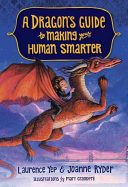
A Dragon's Guide to Making Your Human Smarter
A solid choice for readers new to fantasy and those who like gentle adventures with a touch of humor.

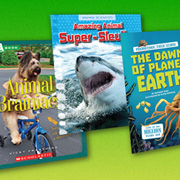
Hunters, Helpers, Engineers, & Invaders: Animals | Series Nonfiction
Animal books don't sit on the shelves long, and the best of these series will keep students thinking long after they've finished reading. Poison dart frogs, feral pigs, and Tasmanian devils are just a few of the wild things covered here.
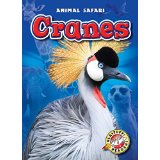
Cranes
The consistent, if unexciting, structure makes this series a good fit for beginning readers hoping to digest introductory data, but they will need to look elsewhere for more engaging treatments of these highly interesting animals.

Mutants in Nature
There are plenty of fascinating bits of animal information throughout the series, particularly in Zombies and Super Powers, but the sometimes scattered presentation limits its general usefulness.
Bright, well-reproduced color photographs and simply written texts will make this series attractive to science-minded elementary school students. After relating the topic to attention-grabbing material ("Mutants are not just in comic books. In real life, mutations make strange plants and animals"), Larson dispenses well-chosen facts about each "freaky" occurrence in natural life. Readers may be inspired to research further. Reading list, websites. Glos., ind. Review covers these Freaky Nature titles: Mutants in Nature, Super Powers in Nature, Vampires in Nature, and Zombies in Nature.
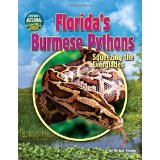
Florida's Burmese Pythons: Squeezing the Everglades
Lively, engaging presentations on specific species and on the general concept.
This book traces feral pigs' path of destruction, especially in Texas and Hawaii. Introduced to North America from Spain in the 1500s, some pigs escaped. Their devastatingly prolific reproductive rate heightens their harmful environmental impact. A brief, accessible text is supported by lots of crisp photographs on every page. Reading list. Bib., glos., ind.
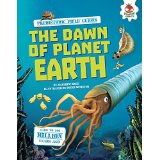
The Dawn of Planet Earth
High-quality individual titles stand alone, and the whole set provides a strong introduction to prehistoric life.
The evolution of animal life on Earth, from formation to the rise of mammals, is profiled across the four books. Hosted by a smiley tetrapod, each packed two-page spread features facts and descriptions of several species and their remains, their environments, and major geological and evolutionary events. Computer-generated images of the various creatures include many with anthropomorphized features. Ind. Review covers these Prehistoric Field Guides titles: The Dawn of Planet Earth, Dinosaurs Rule, The Last Days of the Dinosaurs, and The Rise of Mammals.
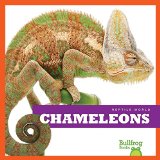
Chameleons
Bare-bones material paired with strong visual appeal makes this set an excellent choice for beginners; older readers will want more content.
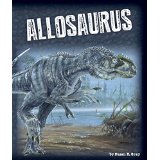
Allosaurus
Smooth prose and strongly organized text and illustrations make this a better-than-average choice for the dinosaur shelves.
The series describes common and less-familiar dinosaurs through a focus on prominent fossil finds, explaining how the evidence can be used to determine the behaviors, feeding habits, competitors, and environments of each species; paleontologists are also profiled. Tiny photos, illustrations of varying quality, and odd layouts detract somewhat from the presentations. There are seven other fall 2015 books in this series. Reading list. Glos., ind. Review covers these Exploring Dinosaurs titles: Apatosoaurus, Compsognathus, Maiasaura, Oviraptor, and Velociraptor.
ALREADY A SUBSCRIBER? LOG IN
We are currently offering this content for free. Sign up now to activate your personal profile, where you can save articles for future viewing
ALREADY A SUBSCRIBER? LOG IN
Thank you for visiting.
We’ve noticed you are using a private browser. To continue, please log in or create an account.