Mary Mueller
210 Articles
Last 30 days
Last 6 months
Last 12 months
Last 24 months
Specific Dates
From:
To:

Secrets of the U.S. Civil War
Readers won't learn many "secrets" from this set, making it supplementary to most collections.
This book describes some lesser-known aspects of the Great War, with emphasis on secret plots and pacts, weapons, spies, and technology. Each topic, mainly illustrated with black-and-white photographs, is briefly covered; fact sidebars and definitions of technical terms provide supplemental information. The last chapter is an unfortunate hodgepodge of topics. Critical thinking questions using the Common Core are appended. Reading list. Glos., ind.

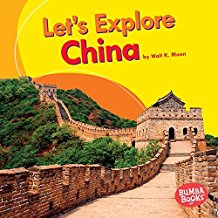
Let's Explore China
No improvement on extant sets.
Although this superficial series is intended for very young children, the brief texts lack information on child-centered topics. The clear color photos are appealing, but the youngest readers will come away with little sense of "exploring" these Caribbean countries or what life is like there. Critical thinking questions are scattered throughout the texts; each book includes a rudimentary map and limited picture glossary. Reading list. Ind.
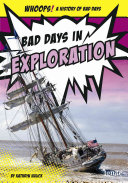
Bad Days in Exploration
These books might draw browsers but are unlikely to hold their attention. A supplemental choice.
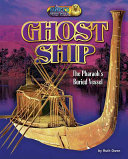
Ghost Ship: The Pharaoh's Buried Vessel
Ghost Ship, Tomb Robbers, and Golden Mummies will be new for most readers and are primary purchases. Great Pyramid, King Tut, and Sphinx are good additional purchases.


An Emperor's Guide
Though students may gravitate toward this series, there's just not enough truly fiendish information to keep their attention.
These first-person how-to guides purport to instruct the reader on being a "fiendish" ruler. In a conversational and tongue-in-cheek tone, these books present historical facts about how kings, pharaohs, shoguns, and emperors managed their realms. Illustrations emphasize the comical, using exaggerated facial expressions, postures, and speech balloons to good effect. Humor aside, the books still provide solid information about past royal life. Ind.
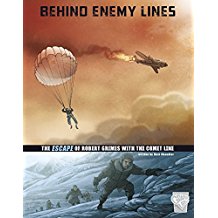
Behind Enemy Lines: The Escape of Robert Grimes with the Comet Line
Sure to draw middle schoolers in; a first pick.
ALREADY A SUBSCRIBER? LOG IN
We are currently offering this content for free. Sign up now to activate your personal profile, where you can save articles for future viewing
ALREADY A SUBSCRIBER? LOG IN
Thank you for visiting.
We’ve noticed you are using a private browser. To continue, please log in or create an account.