Kathy Piehl
196 Articles
Last 30 days
Last 6 months
Last 12 months
Last 24 months
Specific Dates
From:
To:
What Happens If the Ozone Disappears?
Fans of dystopian novels and films may relish the support for their pessimistic views offered by these compelling but unsettling glimpses of possible futures.
These titles present worst-case scenarios for each topic. Clear explanations of general problems come first, followed by chapters with specifics (e.g., oil drilling, pesticides) in text blocks. Increasingly dire projections for future decades and centuries are interspersed, complete with dystopian headlines. Small, individual mitigations are suggested on the last pages. Color photographs, charts, and other visuals fill busy spreads. Reading list, websites. Glos., ind. Review covers these Unstable Earth titles: What Happens if the Ozone Disappears?, What Happens if the Rain Forests Disappear?, What Happens if We Overfish the Oceans?, and What Happens When an Ice Cap Melts?.

Coconut
First-purchase considerations for most collections.
Each book asks: "How did it get that way?" A very simple text then focuses on the botanical science of its subject as it grows from a seed into its various stages, each illustrated by bright, clearly labeled photographs. Kids with green thumbs will enjoy learning about these common items in their yards or on their plates. Reading list. Glos., ind. Review covers these See It Grow titles: Cranberry, Coconut, [cf2f]Pumpkin, [cf]Oak Tree, Sunflower, and Apple.

Dynamic Planet: Exploring Changes on Earth with Science Projects
Good choices for project-oriented earth science learning.
This series explores earth and meteorological science concepts, including geological processes such as erosion and the physical properties of wind and water. Brief explanations, heavy on bolded vocabulary words, are paired with standard hands-on activities (e.g., stream models and baking soda volcanoes). Although the directions and photographs are straightforward, some projects are elaborate and their related concepts aren't always clear. Reading list. Glos., ind. Review covers these Fact Finders: Discover Earth Science titles: Dynamic Planet and All About Earth.
The Science of a Tornado
Generally competent but uninspired introductions to causes and consequences of disasters.
Investigating Animal Life Cycles
These basic overviews serve as good resources for independent investigators or report writers.
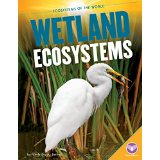
Wetland Ecosystems
The set may provide starting points for research but won't generate much enthusiasm for the subjects.
An anecdote followed by an accessible definition begins each book; subsequent chapters cover each ecosystem's special features, plants, animals, relation to people, and future. Despite a dull template, the books explain their topics clearly and extend understanding via sidebars of further material and questions. Captioned photos and diagrams illustrate the texts. There are four other fall 2015 books in this series. Reading list. Glos., ind. Review covers these Ecosystems of the World titles: Wetland Ecosystems, Woodland Forest Ecosystems, Coral Reef Ecosystems, and Grassland Ecosystems.

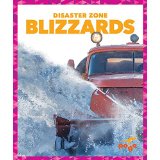
Blizzards
Well-designed introductory nonfiction about topics that will interest many students, especially beginning readers.
ALREADY A SUBSCRIBER? LOG IN
We are currently offering this content for free. Sign up now to activate your personal profile, where you can save articles for future viewing
ALREADY A SUBSCRIBER? LOG IN
Thank you for visiting.
We’ve noticed you are using a private browser. To continue, please log in or create an account.