Mary Mueller
187 Articles
Last 30 days
Last 6 months
Last 12 months
Last 24 months
Specific Dates
From:
To:
Africa
Good supplemental purchases for libraries that need interesting choices to encourage nonfiction reading required to satisfy the learning standards.
Everyone Eats
Written for a slightly younger audience than the stronger "My World Your World" (Ruby Tuesday, 2015), this set is a good supplemental read-aloud or beginning reader selection.
Russia
Pleasing additions to most collections in need of fresh, new titles.
These serviceable overviews for report writers are liberally illustrated with sharp photos. An introductory chapter in each book often highlights a holiday or festival (Israel includes a minor error). Four chapters then focus on land, government and cities, people and cultures, and daily life. A "Global Connections" page is usually devoted to a social issue. Fast facts are appended. Maps, reading list. Glos., ind. Review covers these One World, Many Countries titles: India, Israel, The Philippines, China, Japan, and Vietnam.

The Philippines
These offerings celebrate diversity and introduce nations that have strong ties with our own, making them good purchase choices.
In a visually attractive but superficial introductory series, each volume begins with fairly vague descriptive words (e.g., "Colorful," "Busy," "Beautiful") paired with bright photos. A smattering of facts about geography, animals, history, language, jobs, culture, and food follow, accompanied by engaging photos. The great geographic and ethnic diversity of many of these countries is barely mentioned. "Fast facts" appended. Reading list. Glos., ind. Review covers the following Countries We Come From titles: The Philippines, China, India, Vietnam, and South Korea.
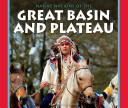
Native Nations of the Great Basin and Plateau
Supplemental report purchases.
Each book introduces the major Native American nations of its geographic area. The straightforward texts touch on traditional way of life; well-known members such as artists or prominent citizens; controversial history with the U.S. and Canadian governments; and contemporary economies. Historical and modern photos round out the cleanly designed presentations. There are three other fall 2015 books in this series. Reading list. Glos., ind. Review covers these Native Nations of North America titles: Native Nations of the Great Basin and Plateau, Native Nations of California, Native Nations of the Arctic and Subarctic, Native Nations of the Northwest Coast, and Native Nations of the Plains.

How to Live Like a Medieval Knight
Good supplemental purchases for upper elementary readers.
These books present accounts of selected events that distinguish certain historical periods. Examples include jousting (Knight), battling lions (Gladiator), and training for raiding (Warrior). Each book is narrated by a cocky youth, which adds humor but becomes tiresome. Cartoonlike illustrations and numerous text boxes accompany the main texts. Related facts are appended. Glos., ind. Review covers these How to Live Like... titles: A Medieval Knight, A Roman Gladiator, and A Viking Warrior.

Bizarre Things We've Done to Our Bodies
Additional purchases.
This hi-lo book's content isn't as strange as it could be. The discussion barely scrapes the surface of bizarre, nibbling on such tidbits as contemporary carnival food (e.g., deep-fried Oreos), hardtack from sailing ships, a smattering of historical facts about royalty and banquet customs, and Jell-O. The slight content is enhanced by contemporary and archival photos and illustrations. Reading list. Glos., ind.

The Bermuda Triangle and Other Mysteries of the Deep
These selections are certain to draw a pleasure-reading and report-writing audience and are a strong buy.

ALREADY A SUBSCRIBER? LOG IN
We are currently offering this content for free. Sign up now to activate your personal profile, where you can save articles for future viewing
ALREADY A SUBSCRIBER? LOG IN
Thank you for visiting.
We’ve noticed you are using a private browser. To continue, please log in or create an account.