John Peters
396 Articles
Last 30 days
Last 6 months
Last 12 months
Last 24 months
Specific Dates
From:
To:
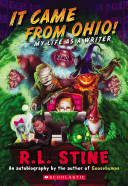
It Came from Ohio!: My Life as a Writer
A sure hit with "Goosebumps" fans and certain to be a popular choice for biography assignments, too.
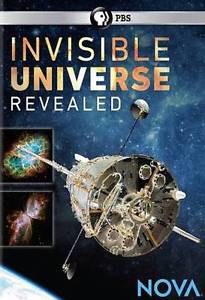
Invisible Universe Revealed
A first-rate contribution to the history of space exploration, with visuals that amply demonstrate that the "universe is as beautiful as it is astonishing."
Wild at Heart: Mustangs and the Young People Fighting to Save Them
An urgent call to action, supported with detailed endnotes and a substantial bibliography.
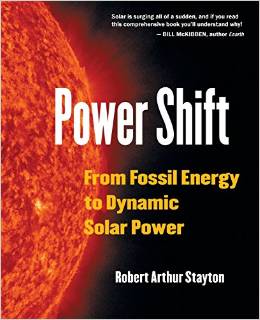
Power Shift: From Fossil Energy to Dynamic Solar Power
A suitable offering on the benefits of solar power.

Energy in Action
Both the content and the lively presentations will leave readers pleased as well as better informed.
Backyard Food Chains
Angela's Royston's simpler Food Chains and Webs (Heinemann, 2014) for the lower ranges of the intended audience, and PowerKids' own 2002 "Library of Food Chains and Food Webs" for the upper, are better alternatives.
Endangered Energy: Investigating the Scarcity of Fossil Fuels
Despite the flaws, these issues are important, and even if these introductions are stronger on general concepts than specific facts, they should stimulate enough concern to fuel further inquiry.
These volumes point to the role humans have played in endangering
Earth's resources. The information is presented in four chapters;
each book's final chapter focuses on what government and
individuals can do now before it's too late. The choppy texts are
accessible and supported by photos, diagrams, and related fact
boxes. Common Corerelated questions are appended. Reading list.
Glos., ind. Review covers these Fact Finders: Endangered Earth
titles: Endangered Energy and Endangered Rivers.
Animal Pollinators
Suitable additions for those looking for material on plants or flowers.
For seeds to grow, pollen needs to reach a flower's carpel. In
simple language (with potentially difficult words in bold print),
this series teaches early readers about the various ways this
happens; information is often repeated from book to book. Close-up
photos (inconsistently labeled and captioned) of flower structures
and yellow pollen dust on fuzzy bees and bats help readers
visualize the process. Glos., ind. Review covers the following
First Step Nonfiction: Pollination titles: Animal
Pollinators, Cross-Pollination, Insect
Pollinators, Self-Pollination, and Parts of a
Flower.

Your Circulatory System Works!
Useful additions.
These introductions to the human body are very basic, with some
complexity added in fact boxes and captioned photos or diagrams.
One spread in each volume addresses some common disorders (for
example, sprains and spasms in Muscular), though
Nervous also preaches about damage from drug and alcohol
use. Three appended questions link material to the Common Core.
Reading list. Glos., ind. Review includes the following First
Facts: Your Body Systems titles: Your Digestive System
Works!, Your Muscular System Works!, and Your Nervous
System Works!.
ALREADY A SUBSCRIBER? LOG IN
We are currently offering this content for free. Sign up now to activate your personal profile, where you can save articles for future viewing
ALREADY A SUBSCRIBER? LOG IN
Thank you for visiting.
We’ve noticed you are using a private browser. To continue, please log in or create an account.