HIRSCH, Rebecca E.
16 Articles
Last 30 days
Last 6 months
Last 12 months
Last 24 months
Specific Dates
From:
To:

Birds vs. Blades?: Offshore Wind Power and the Race To Protect Seabirds
Tightly written text and rich photography make this a must-read for those interested in environmental science and clean energy. Use this in classrooms to get debates on clean energy started.
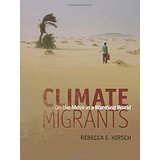
Climate Migrants: On the Move in a Warming World
A fitting addition to a classroom or school library. This thorough volume will be useful for reports and discussions on the intersection of environmental and social problems.

Plants Can't Sit Still
The bright illustrations and the simple but moving text make this a solid addition to any collection looking to inspire interest in the natural world.

The Human Microbiome: The Germs That Keep You Healthy
Unexpectedly informative and up-to-the-minute in research, this is a nifty look through a clear window at our unsuspected personal passengers. Consider this in-depth resource for reports and students who are not easily made squeamish.
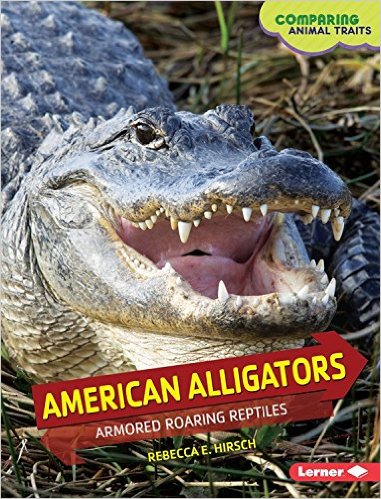
American Alligators: Armored Roaring Reptiles
Gr 3–5—Students can put their critical thinking skills to the test with these well-designed and accessible titles that make comparisons among different reptiles...
African Elephants: Massive Tusked Mammals
The unusual comparison of mammal traits makes this a series worth considering.
Each presentation covers appearance, habitat, skill, and traits for
its subject while also comparing and contrasting the focal animal
with other mammals by text, photos, and charts. Some comparisons
seem natural (similar-looking African elephants and white rhinos);
some surprisingly revealing (both sperm whales and vampire bats use
echolocation); some random, without relevant comparative features
(grizzly bears and titi monkeys). Reading list, websites. Bib.,
glos, ind. Review covers the following Comparing Animal Traits
titles: African Elephants, Gray Wolves, Grizzly
Bears, Humpback Whales, Mountain Gorillas,
Platypuses, Siberian Tigers, and Vampire BAts.

Humpback Whale Migration
Gr 3–6—Whether traveling up and down a mountain (Dall sheep) or flying from one end of the Earth to the other (Arctic tern), animals migrate for a variety of reasons across land, sea, and air...
ALREADY A SUBSCRIBER? LOG IN
We are currently offering this content for free. Sign up now to activate your personal profile, where you can save articles for future viewing
ALREADY A SUBSCRIBER? LOG IN
Thank you for visiting.
We’ve noticed you are using a private browser. To continue, please log in or create an account.