Jennifer Prince
196 Articles
Last 30 days
Last 6 months
Last 12 months
Last 24 months
Specific Dates
From:
To:
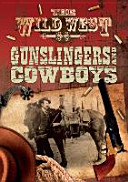
Gunslingers and Cowboys
Good choices for those looking to bulk up their Wild West collections.
This blandly designed volume chronicles conflicts occurring from
the 1600s through the 1880s between Native Americans and European
settlers. Significant events, including the massacres at Sand Creek
and Wounded Knee and battles at Apache Pass and Little Bighorn, are
briefly recounted, identifying causes, personalities, and outcomes.
Archival photographs accompany the unvarnished portrayal of this
shameful period of American history. Reading list, websites. Glos.,
ind.

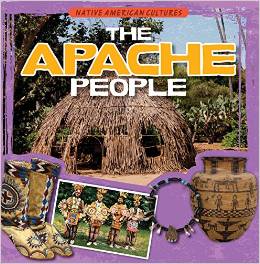
The Apache People
There is much to admire about this set, but there are missed opportunities as well.

The 12 Most Amazing American Cities
Overall, this unique series is attractive and informative—a sound purchase.
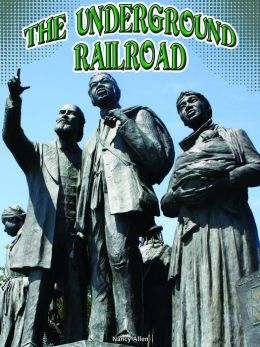
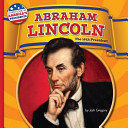
Abraham Lincoln: The 16th President
Though these are sanitized biographies, they're suitable for the audience.
Each highly abbreviated biography of a U.S. president uses a
variety of visual and textual elements arranged informally on pages
designed to look like cork bulletin boards. The brief, uninspired
narratives are supported by photographs or period illustrations
with captions and short sidebars in campaign-button graphics. Two
famous quotes are appended. There are four other spring 2015 books
in this series. Reading list, timeline. Glos., ind. Review covers
the following First Look at America's Presidents titles: Abraham
Lincoln, George Washington, Franklin D.
Roosevelt, and James Madison.
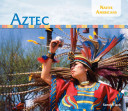
Aztec
Simple and solid introductions.
These books give brief overviews of Native American nations,
discussing their past and present territory, daily life, art and
handicrafts, and spiritual beliefs. Famous (male) leaders of the
past--e.g., Montezuma II, Chief Joseph, and Chief Temcumseh--are
also highlighted. Choppy texts paired with contemporary and
historic photos provide adequate introductory information. There
are four other spring 2015 books in this series Timeline. Glos.,
ind. Review covers the following Big Buddy Books: Native Americans
titles: Aztec, Blackfoot, Nez Perce, and
Shawnee.

A Primary Source History of U.S. Independence
Strong options for introducing the concept of primary source analysis.
Clear double-page spreads feature a variety of visual elements
including charts, graphs, and maps; reproduced photographs and
documents; and sidebars with critical-thinking questions. The
series purports to promote the importance of primary source
material, though the direct quotes in red font are injected rather
unnaturally into the narratives. Still, these are adequate starting
points for American history research. Bib., glos., ind. Review
covers these Fact Finders: Primary Source History titles: A
Primary Source History of U.S. Independence and A Primary
Source History of Slavery in the United States.

Life During the Industrial Revolution
Concise and well organized, with a broad perspective, this series is first-rate.
Designed to engage students for Common Core standards, these United
States history books present their material in various ways,
including simplified summaries, quotations from primary sources,
"perspectives" sidebars, suggested activities and discussion
questions, and "Day in the Life" segments. Archival photos and/or
period-style illustrations break up the chapters. There are four
other spring 2015 books in this series. Reading list. Glos., ind.
Review covers the following Daily Life in US History titles:
Life During the Industrial Revolution, Life During the
Revolutionary War, Life During the Great Depression, and
Life on the Frontier.
ALREADY A SUBSCRIBER? LOG IN
We are currently offering this content for free. Sign up now to activate your personal profile, where you can save articles for future viewing
ALREADY A SUBSCRIBER? LOG IN
Thank you for visiting.
We’ve noticed you are using a private browser. To continue, please log in or create an account.