staff
2,367 Articles
Last 30 days
Last 6 months
Last 12 months
Last 24 months
Specific Dates
From:
To:


Inventing the Video Game
Good choices for casual browsers and budding inventors.
These books examine the history and technological underpinnings of these modern machines. Each volume hits on a few key people and events critical to the creation of the technology as well as to the products' broad popularity. The books are quite short, though, and don't provide much more than basic information about these technologies. There are four other spring 2016 books in this series. Reading list, timeline. Glos., ind. Review covers these Spark of Invention titles: Inventing the Internet, Inventing the Television, Inventing the Cell Phone, and Inventing the Hybrid Car.
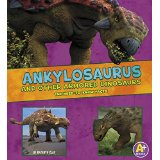
Ankylosaurus and Other Armored Dinosaurs: The Need-To-Know Facts
Serviceable but unexceptional dinosaur species introductions.
Field-guide-like spreads give superficial statistics (including Latin name, pronunciation, size, and period of existence) for about a dozen dinosaur species. Regrettably, the species are organized alphabetically in each slight volume, rather than by any more illuminating scientific scheme. Computer-generated images of what the dinosaurs and their environments may have looked like include helpful pop-up comments. Reading list. Glos., ind. Review covers the following Dinosaur Fact Dig titles: Triceratops, Tyrannosaurus Rex, and Brachiosaurus.

What's Your Story, Amelia Earhart?
Despite hiccups, a good introduction to biographies, with Sequoyah, Paul Revere, and Wilma Rudolph the best of the series.
Cub Reporter "interviews" the legendary African American sprinter and Olympic gold medalist. Rudolph responds to simplistic questions about her complicated life in her own hokey "voice" ("Yes, and I was so proud!"). Cartoons of a microphone-holding bear cub alternate with captioned photos that extend information. The premise may work for reluctant readers. Reading list, timeline, websites. Glos., ind.



Danica Patrick
An excellent first purchase.
These books offer brief introductions to female leaders in professional basketball (Parker), golf (Wie), and soccer (Wambach). A timeline footer carries readers through the pages as large color photographs illustrate the athletes in action. While the brief, large-font texts are designed with early readers in mind, fans will find them skimpy in content. Common Core critical thinking questions appended. Reading list. Glos., ind. Review covers the following Pebble Plus: Women in Sports titles: Candace Parker, Michelle Wie, and Abby Wambach.
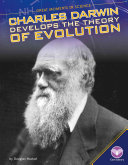
Charles Darwin Develops the Theory of Evolution
Strong choices for deepening subject collections.
Each book starts with an iconic scientific moment then explores its historic and biographical context, with supporting images, primary sources, curated online sources, and critical thinking questions interspersed throughout. With a consistent format, the books respond to core curriculum guidelines and expand on these scientists' founding stories, although some of the "great moment" hooks work better than others. Reading list, timeline. Glos., ind. Review covers the following Great Moments in Science titles: Charles Darwin Develops the Theory of Evolution, Isaac Newton Discovers Gravity, Louis Pasteur Advances Microbiology, Thomas Edison Invents the Light Bulb, Marie Curie Advances the Study of Radioactivity, and Rachel Carson Sparks the Environmental Movement.
ALREADY A SUBSCRIBER? LOG IN
We are currently offering this content for free. Sign up now to activate your personal profile, where you can save articles for future viewing
ALREADY A SUBSCRIBER? LOG IN
Thank you for visiting.
We’ve noticed you are using a private browser. To continue, please log in or create an account.