Staff
2,367 Articles
Last 30 days
Last 6 months
Last 12 months
Last 24 months
Specific Dates
From:
To:
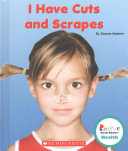
I Have Cuts and Scrapes
This series is an upbeat introduction to health and body-related issues for young readers.
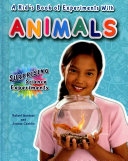
A Kid's Book of Experiments with Animals
Good choices for classroom collections, likely to please informal experimenters more than those who require rigorous direction.

Welcome to the Backyard
Excellent introductions to how ecosystems function.
These books clearly explain how plants and animals survive the seasons (or the tides in Seashore) in the title ecosystems and how every living thing gets what it needs from its habitat. Spreads are cluttered with sidebars and layered photos (full-page, close-up, and inset); a question leading into each new spread will engage readers. Food web diagram appended. Reading list. Glos., ind. Review covers the following Nature's Neighborhoods titles: Welcome to the Backyard, Welcome to the Forest, Welcome to the Pond, and Welcome to the Seashore.
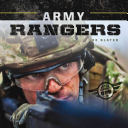
Army Rangers
Readers will be hard-pressed to put these down.
Each of these books highlights an important mission of a special operations force and details the history leading to the unit's creation. Matter-of-fact, choppy texts drily cover each unit's entry qualifications and training process, as well as the specialized skills and tools/weaponry used. Lots of photos and graphics help break up the accessible texts. A few "Extreme Facts" are appended. Timeline. Glos., ind. Review covers these Checkerboard Library: Special Ops titles: Army Rangers, Delta Force, Green Berets, Marine Force Recon, Navy Seals, and Pararescue Jumpers.


How Do Big Rigs Work?
Prime material for budding gearheads and mechanics.
Each book gives a cursory overview of its titular vehicle. A simple narrative supplying brief information about purpose, engine, auxiliary equipment, and operator concludes with a catchy closing statement. Bright multicolored pages feature interesting full- and half-page photos. A diagram delineating working parts and random "Fun Facts" are appended. There are three other spring 2016 books in this series. Reading list, websites. Glos., ind. Review covers the following Lightning Bolt Books: How Vehicles Work titles: How Do Fire Trucks Work?, How Do Formula One Race Cars Work?, and How Do Tanks Work?.

The Science Behind Track and Field
A recommended first purchase for libraries looking to engage sports lovers in STEM topics.
Including physics, nutrition, and psychology, the science behind Olympic events is examined. The series organization feels unfocused: Popular skims through dissimilar sports (basketball to badminton to cycling), while gymnastics gets its own volume. Still, the sound science will intrigue kids who enjoyed the recent Games. Color photos (some oddly cropped) and diagrams aid in instruction. Reading list. Glos, ind. Review covers these Edge Books: Science of the Summer Olympics titles: The Science Behind Gymnastics and The Science Behind Soccer, Volleyball, Cycling, and Other Popular Sports.

How a Bridge Is Built
Excellent choices for heightening awareness of important elements in our infrastructure.
ALREADY A SUBSCRIBER? LOG IN
We are currently offering this content for free. Sign up now to activate your personal profile, where you can save articles for future viewing
ALREADY A SUBSCRIBER? LOG IN
Thank you for visiting.
We’ve noticed you are using a private browser. To continue, please log in or create an account.