Linda Jacobson
54 Articles
Last 30 days
Last 6 months
Last 12 months
Last 24 months
Specific Dates
From:
To:

Get Ready for Endless Summer Learning
A focus on learning—encompassing reading—reflects an evolving mind-set for librarians who run summer programs for kids and teens.
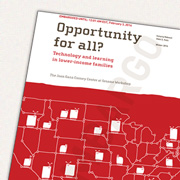
Many Low-Income Families "Under-Connected" to Internet, Survey Finds
According to research out of the Joan Ganz Cooney Center at Sesame Workshop, a third of low-income families have only mobile Internet access. Of the rest, many have outdated home computers and slow, spotty connections.
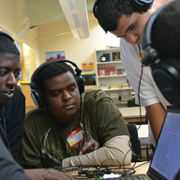
A California High School Trains Young Adults for Jobs and Life
Civicorps Academy in Oakland, CA, is filling a void as educators increasingly focus on preparing students for postsecondary education or careers. Eighty-three percent of the program’s graduates are in college or working a year after graduation.
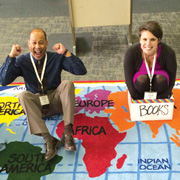
Win-Win: When School Libraries Partner with Local Organizations, Everyone Benefits
Community organizations, businesses, and local residents are often eager to help their neighborhood school libraries—they’re just waiting for someone to ask. These partnership resources and toolkits can get you started.
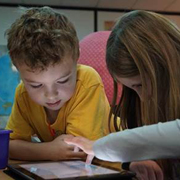
Librarians Leading the Way | Hour of Code 2015
School librarians around the country are helping their students participate in Hour of Code—the worldwide movement held during Computer Science Education Week to introduce learners of all ages to computer programming.

Can Five-Year-Olds Really Meet Common Core State Standards?
As kindergarten teachers grapple with that question, librarians become “important resource” and find new opportunities for teaching the youngest students.

Librarians, Educators Not Put Off By Black Lives Matter Controversy
The controversy surrounding the book Black Lives Matter hasn’t reached many school or public librarians. But those who are familiar with the new release say they won’t let the rhetoric determine their opinions.

Libraries Reach Out to Young Black Men
These librarians are committed to giving African American youth, particularly those in low-income communities, reasons to visit their school or public libraries—and to increasing the variety of materials that draw them into reading.

TED-Ed Seeks Innovative Educators
Sixteen U.S. teachers are among the first class of TED-Ed Innovative Educators, who will will receive training and will participate in leadership and innovation projects in the yearlong program. The next application period begins in December.
ALREADY A SUBSCRIBER? LOG IN
We are currently offering this content for free. Sign up now to activate your personal profile, where you can save articles for future viewing
ALREADY A SUBSCRIBER? LOG IN
Thank you for visiting.
We’ve noticed you are using a private browser. To continue, please log in or create an account.