Alicia Eames
41 Articles
Last 30 days
Last 6 months
Last 12 months
Last 24 months
Specific Dates
From:
To:
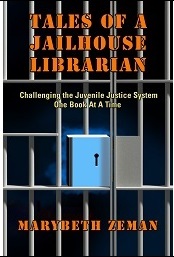
Interview: 'Tales of Jailhouse Librarian' Author Marybeth Zeman
Librarian and author Marybeth Zeman recounts her experiences working with incarcerated teens awaiting trials for offenses from misdemeanors to murder. Interview by Alicia Eames.
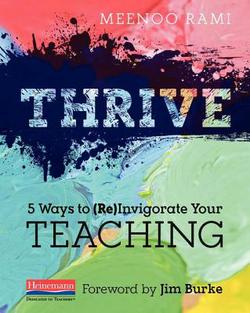
Summer Reading To "(Re)Invigorate" Your Teaching | Professional Shelf
"There’s power in firsthand advice from people in the field who have been recognized for their excellence and expertise" and educators looking to reinvigorate their teaching need look no further than these two books for tips and suggestions on how to do so.
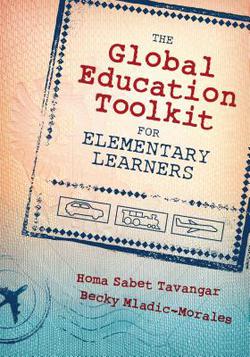
'The Global Education Toolkit' | Professional Shelf
The 'Global Education Toolkit for Elementary Learners' offers a wealth of practical ideas, suggestions for activities, and resources guaranteed to encourage and energize meaningful learning about the world.
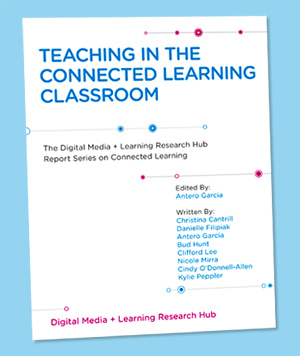
Connected Learning | Professional Shelf
A collection of 18 inspiring, real-life stories gleaned from the National Writing Project’s “Digital Is” website highlights the work of teachers actively shaping classroom instruction to meet the needs of diverse student populations amid the challenges of new standards and high-stakes testing.
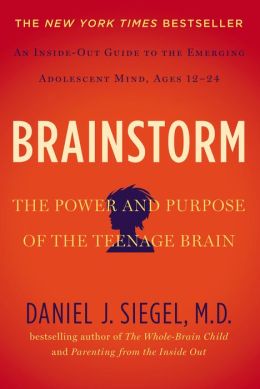
Daniel J. Siegel's "Inside-Out" Guide to the Teenage Brain | Professional Shelf
What if instead of viewing the teen years as a period in life that must be survived, we learn to embrace the potentially positive power of these formative years? In 'Brainstorm,' David J. Siegel, a neuropsychiatrist, offers a look at adolescent development and behavior informed by recent findings on how the brain works.

PBS LearningMedia | Professional Shelf
Despite dismally small budgets, time constraints, and the demands of the Common Core State Standards, many librarians consider the support of digital learning a priority. PBS LearningMedia, a content-rich, free resource makes that challenge easier to meet.
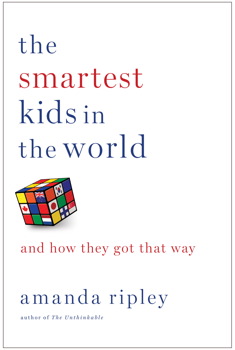
'The Smartest Kids in the World' | Professional Shelf
Amanda Ripley set off on a year-long “field trip to the smart-kid countries” to see if she could account for the success of the high achieving students around the world. What made these kids smarter than their American peers? The writer reports in 'The Smartest Kids in the World: And How They Got that Way' (S&S, 2013).
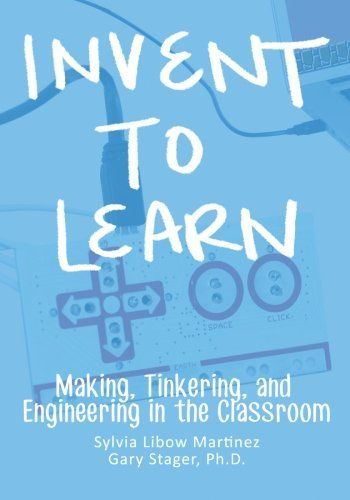
Science Learning | A Medley of Resources
As the authors of new title on inquiry and literacy note, "simply reading about science" cannot replace the "actual doing of science." Here are a few new titles that offer guidance and suggestions on incorporating hands-on and project-based learning in science and other classrooms.
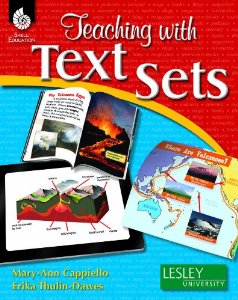
A Common Core Approach: 'Teaching with Text Sets'
The authors of the Common Core State Standards don't spell out how text should be taught--that's been left up to teachers and curriculum developers. A new book offers a framework for developing a content-rich, standards-based curriculum.
ALREADY A SUBSCRIBER? LOG IN
We are currently offering this content for free. Sign up now to activate your personal profile, where you can save articles for future viewing
ALREADY A SUBSCRIBER? LOG IN
Thank you for visiting.
We’ve noticed you are using a private browser. To continue, please log in or create an account.